Whether you are reviewing chemical reference materials, comparing laboratory equipment or investigating compounds discussed in scientific literature, understanding the available evidence is an essential part of responsible research.
The Receptor Chem homepage provides access to a growing catalogue organised around research-related categories. Visitors can explore chemical materials, browse laboratory essentials and review available product information in one location. Our aim is to make the catalogue easier to navigate while encouraging careful evaluation of chemical specifications, intended research applications and relevant regulatory requirements.
Scientific buyers searching for research chem information often encounter different names, abbreviations, chemical forms and supplier descriptions. These differences matter because compounds with similar names may possess different structures, properties and regulatory classifications. Before selecting a laboratory material, researchers should verify its identity, purity specifications, documentation and suitability for their intended analytical work.
Explore the Receptor Chem Research Catalogue
The complete research catalogue brings together materials and equipment across several product categories. Researchers can use these categories to locate relevant substances and laboratory supplies, then examine individual product listings for specifications and availability. Listing a compound in a research catalogue does not imply that it is approved for medical use or suitable for human consumption.
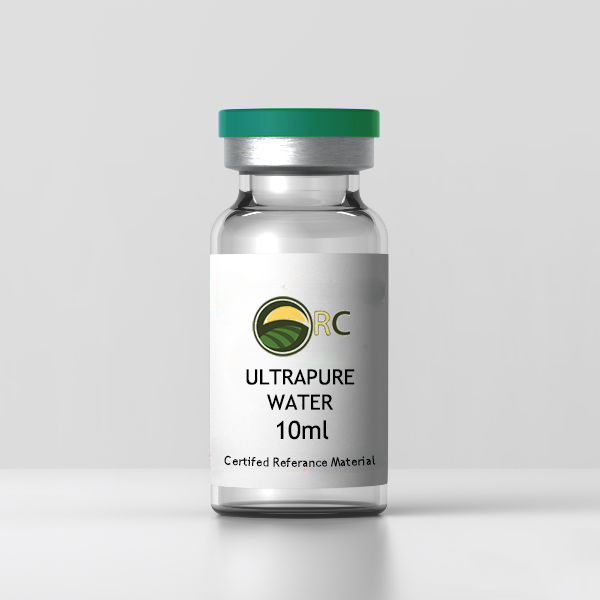
Receptor Chem Base Chemicals
Base chemicals support many fundamental laboratory processes, including preparation of solutions, analytical workflows, equipment maintenance and chemical investigations. The base chemicals category provides a dedicated starting point for exploring these materials. Suitable choices depend on chemical compatibility, required grade, concentration, purity and the intended analytical method.
Chemical Reference Materials and Research Compounds
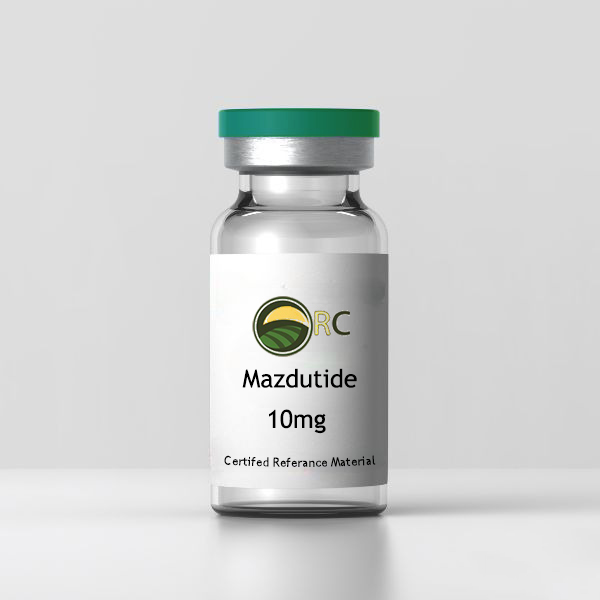
Chemical reference materials help laboratories identify substances, compare analytical results and evaluate measurement procedures. The chemical reference materials category includes compounds relevant to different areas of research. Researchers should distinguish between ordinary research-grade materials and certified reference materials, which require documented certification, assigned properties and appropriate traceability. A category label alone does not establish that an individual product meets certified reference material standards.
Laboratory Equipment and Research Accessories
Reliable laboratory work also depends on suitable instruments, containers and accessories. Explore the laboratory supplies section for relevant accessories and the testing equipment section for available analytical tools. Equipment selection should reflect the experiment’s requirements, operating conditions, calibration needs and laboratory safety procedures.
Additional Research Listings
Materials not yet assigned to a specialised category may appear in the additional catalogue listings. Checking a product’s full chemical name, identity and documentation is particularly important when its catalogue classification is broad or unfamiliar.
Understanding Research Chem Compounds and Scientific Applications
The phrase research chem describes a broad range of chemical substances investigated for their physical, analytical or biological properties. It is not a recognised assurance of purity, safety, approval or legality. Searches for research chem, researchem, r chem, rc chem and sci chem may lead to different scientific resources, brands or retailers. Researchers should evaluate the actual chemical identity rather than relying on a general search phrase or supplier name.
Modern research covers receptor signalling, cellular responses, metabolic pathways, molecular interactions and analytical chemistry. Compounds investigated in these fields can include selective receptor modulators, peptides, metabolic research agents and chemical standards. The published evidence supporting each substance varies considerably, and early laboratory findings cannot automatically be translated into established clinical benefits.
For authoritative scientific background, the PubChem chemical database provides chemical identifiers, molecular information and links to relevant scientific records. Researchers can also consult PubMed to identify peer-reviewed biomedical literature and examine the limitations of published studies.
Enclomiphene Research, Enclo and UK Regulatory Considerations
Enclomiphene is a selective estrogen receptor modulator investigated in studies involving hormonal signalling and reproductive endocrinology. It is related to clomiphene but represents a specific isomer with its own scientific and pharmacological characteristics. The abbreviation enclo is commonly encountered in online discussions, although chemical documentation should use the precise substance name and relevant identifier.
Searches involving buy enclomiphene, enclomiphene buy, enclomiphene for sale and enclomiphene citrate buy reflect interest in this compound. However, a purchasing search does not establish that the substance is an approved medicine, that a particular supplier is authorised, or that an individual product is suitable for medical treatment. Research-grade material must not be presented as equivalent to a licensed pharmaceutical product.
Enclomiphene UK: Understanding the Difference Between Research and Medical Use
People researching enclomiphene UK, buy enclomiphene UK, enclomiphene buy UK, enclomiphene citrate UK and enclomiphene tablets UK should understand the distinction between medicinal licensing and laboratory supply. The regulatory treatment of a product depends on its composition, intended use, claims and supply circumstances. Unlicensed medicinal products in the UK are subject to specific restrictions and legal requirements.
Questions such as “is enclomiphene legal UK?” cannot be answered accurately without considering the specific product and intended activity. The Medicines and Healthcare products Regulatory Agency is an appropriate source for UK medicines regulation and official guidance.
Enclomiphene Peptide: Clarifying a Common Search Term
The expression enclomiphene peptide appears in some searches, but it is chemically inaccurate. Enclomiphene is a small-molecule compound, not a peptide. This distinction matters because small molecules and peptides differ in structure, analytical identification, stability and laboratory handling. When comparing scientific information, always use accurate chemical terminology rather than informal product descriptions.
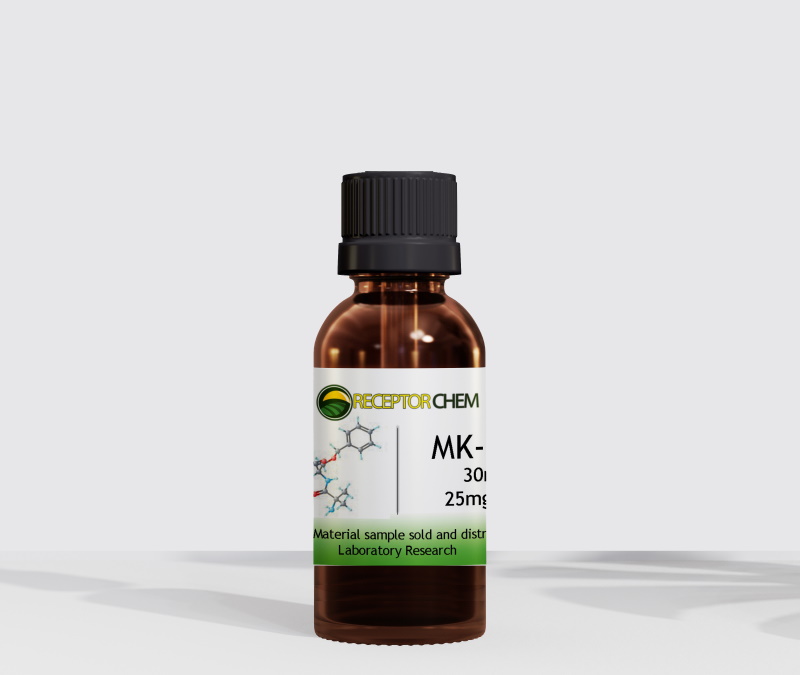
MK677, Ibutamoren and MK-777 Research
MK677, also written MK-677, is commonly known as ibutamoren. It is a growth hormone secretagogue receptor agonist investigated in studies of growth hormone signalling and related biological processes. Ibutamoren is not itself a selective androgen receptor modulator, even though searches such as sarms MK 677 frequently group it alongside SARMs.
Search expressions including mk677 UK, mk 677 UK, ibutamoren UK, mk677 liquid, mk677 for sale, mk 677 for sale, buy mk677, buy mk677 UK and mk677 buy reflect varied interest in the compound and its formulations. For scientific identification, researchers should prioritise molecular identity, formulation details, analytical evidence and the regulatory status of the material. A liquid preparation may introduce additional considerations involving solvents, stability and concentration verification.
Acetamoren and MK777
Acetamoren, also encountered as MK-777, MK777 or mk 777, appears in emerging research-related product terminology. These names should not automatically be treated as interchangeable with ibutamoren or other similarly named compounds. Researchers should compare the supplier’s stated chemical identity, molecular formula and supporting documentation rather than assuming equivalence from abbreviations.
Likewise, the shorthand mk67 may refer to an incomplete or mistyped compound name. Precise naming is important when reviewing literature, laboratory results or reference materials. Any research involving unfamiliar chemical abbreviations should begin with independent identity verification.
RU58841 and Research into Androgen Receptor Signalling
RU58841, also written RU-58841 or ru 58841, is an investigational nonsteroidal antiandrogen studied in connection with androgen receptor interactions. It frequently appears in research discussions concerning skin biology and hair follicle-related signalling. Although online searches for ru58841 UK are common, the compound should not be confused with a medicine proven safe and effective for personal treatment.
Scientific evaluation of RU58841 requires an understanding of receptor binding, experimental models, limitations of available evidence and the differences between laboratory and clinical research. Published findings from cell or animal studies do not independently establish human safety. Chemical purity, identity and stability are separate questions from potential pharmacological activity.
Researchers investigating androgen receptor pathways can consult peer-reviewed literature to better understand experimental design, biological endpoints and the uncertainty surrounding investigational agents.
SARMs UK: RAD140, Ostarine, Andarine and Related Compounds
Selective androgen receptor modulators, commonly abbreviated as SARMs, are experimental compounds designed to interact with androgen receptors. Their differing chemical structures and receptor activity have made them subjects of scientific investigation. However, SARMs are not an interchangeable group, and experimental findings concerning one substance should not be assumed to apply to another.
RAD140 and Ostarine Research
RAD140, also known as testolone, appears in searches such as rad 140 UK, rad140 UK and rad 140 for sale. Ostarine, also known as enobosarm or MK-2866, is another investigated selective androgen receptor modulator. Search terms such as ostarine UK and buy ostarine UK are common, but product availability or online popularity should never be mistaken for medicinal authorisation or demonstrated safety.
Andarine, AC262 and S23 SARM
Andarine, frequently misspelled anderine, is another compound associated with selective androgen receptor research. AC262 and S23 are also discussed in experimental androgen receptor studies. Each has a distinct scientific profile and evidence base. Researchers should consult original published studies for information on experimental models, observed outcomes and known uncertainties.
People searching for sarms for sale or the best place to buy SARMs UK should be cautious about unverified purity claims, misleading regulatory descriptions and products intended for unsupervised human use. Responsible laboratory sourcing requires appropriate documentation and compliance with applicable laws, rather than relying on promotional rankings.
An additional consideration is sport. The World Anti-Doping Agency Prohibited List provides information relevant to athletes and sporting organisations evaluating prohibited substances.
Cardarine, GW0742 and Stenabolic Research
Cardarine, also called GW501516 and sometimes misspelled carderine or cardaline, is a PPAR-delta agonist rather than a SARM. It has been investigated in metabolic and receptor signalling research. Searches such as buy cardarine UK and cardarine for sale should be evaluated in light of the compound’s experimental status and significant safety concerns identified during development.
GW0742 is another experimental compound associated with PPAR-delta research. Although it shares a research pathway with Cardarine, the substances are chemically distinct. This distinction is important for laboratory identification, scientific literature searches and interpretation of experimental data.
Stenabolic, commonly known as SR9009, is investigated in research involving REV-ERB signalling and circadian biology. Its mechanism differs from that of SARMs and PPAR agonists. Categorising these compounds correctly helps researchers avoid inaccurate assumptions about their properties and possible effects.
SLU-PP-332, BAM15 and Emerging Metabolic Research
SLU-PP-332 is an investigational compound studied in relation to estrogen-related receptor signalling and metabolic regulation. Its scientific interest arises from preclinical investigations of cellular energy-related pathways. Search variations such as slu pp 332, slu pp, slu-pp-332 buy online, slu pp 332 UK and slu-pp 332 UK reflect increasing awareness of this emerging research topic.
The expression slu-pp-332 peptide is misleading because SLU-PP-332 is a small-molecule compound rather than a peptide. Similarly, online references to slu pp 332 injectable formulations should not be interpreted as evidence that any injectable product is clinically validated, authorised or appropriate for personal administration.
BAM15 and Mitochondrial Research
BAM15, sometimes written BAM-15, is an experimental mitochondrial uncoupling agent studied in cellular metabolism research. Its investigation is distinct from receptor agonists such as SLU-PP-332. Mitochondrial uncoupling involves significant biological risks, and preliminary research findings do not establish safety or effectiveness for human use.
Researchers investigating BAM15 and SLU-PP-332 should distinguish mechanistic hypotheses from clinical evidence and should consider experimental limitations, dose-response relationships and chemical identification. Both compounds remain subjects for careful scientific examination rather than established consumer treatments.
Peptide Research: Tesamorelin, Ipamorelin and CJC-1295
Peptides are chains of amino acids involved in numerous biological signalling processes. Their scientific applications extend across receptor biology, molecular interactions, endocrinology and analytical method development. Different peptides can vary substantially in sequence, stability and biological properties, making accurate identification essential.
Tesamorelin and Growth Hormone Signalling
Tesamorelin is a synthetic analogue of growth hormone-releasing hormone studied and used in specific regulated medical contexts. Searches involving tesamorelin buy, buy tesamorelin, buy tesamorelin UK, tesamorelin peptide buy, tesamorelin 10 mg and tesamorelin cost may concern different markets and product categories. Any medicinal use requires consideration of the relevant product authorisation, prescribing rules and clinical oversight.
Searches for tesamorelin tablets and tesamorelin pen should not be treated as proof that such dosage forms are authorised or clinically equivalent to established formulations. Dosage form, route of administration and regulatory approval must be verified independently.
CJC-1295, Ipamorelin and Sermorelin
CJC-1295, ipamorelin and sermorelin are associated with investigations of growth hormone-related signalling pathways. The phrase cjc-ipamorelin commonly refers to discussion of these substances together, but combinations introduce additional questions regarding chemical identity, compatibility and evidence.
Similarly, searches such as buy ipamorelin and buy sermorelin should not be confused with proof of medical suitability. Clinical claims involving investigational peptides require appropriate human evidence, relevant authorisation and professional oversight.
Additional Peptides and Biomedical Research Topics
Scientific interest in peptides extends beyond endocrine signalling. Compounds investigated in laboratory settings include AOD-9604, KPV, BPC-157 Arginate, kisspeptin, PT-141, pinealon and copper-binding peptides. Each substance has its own chemical and research characteristics, and findings for one cannot establish the effects of another.
KPV, AOD-9604 and BPC-157 Arginate
KPV, sometimes entered as k.p.v, is a short peptide investigated in inflammation-related research models. AOD-9604 is a peptide fragment associated with metabolic research. The phrase aod-9604 peptide UK commonly appears in discussions of availability and scientific interest, but these are distinct from established clinical indications.
BPC-157 Arginate represents a particular salt-related formulation associated with BPC-157 research. Different chemical forms require careful attention to composition, analytical identity and stability. Research discussions should avoid presenting preliminary experimental results as proven medical outcomes.
AHK-CU, Kisspeptin and MT1
AHK-CU, sometimes entered as ahcku or ahk-cu, is a copper-associated peptide investigated in biological research. Kisspeptin is involved in reproductive signalling pathways, making it relevant to endocrinological studies. People searching for buy kisspeptin should distinguish legitimate scientific reference information from unsupported therapeutic advertising.
MT1 may refer to Melanotan I in peptide-related searches, but the same abbreviation can have different meanings in other scientific contexts. Precise terminology is therefore essential when reviewing literature or identifying a substance.
PT-141 and Other Specialised Research Compounds
PT-141, also known as bremelanotide, is associated with melanocortin receptor research. Searches involving pt-141 UK should be considered within the relevant UK medicinal framework. Scientific reference material, investigational formulations and authorised medicines should not be treated as identical product categories.
Selank, Semax and Neurological Research Materials
Selank and Semax are synthetic peptides discussed in neurological and neuropharmacological research. Interest in these compounds includes questions about cellular signalling and nervous-system-related experimental outcomes. Available evidence differs across jurisdictions and study designs, and neither compound should be presented as universally authorised for medical use.
Searches such as selank peptide UK, selenk, semax UK and buy semax may refer to overlapping scientific discussions. The alternative spelling selenk should be verified against the intended compound name to avoid confusion in chemical records.
Other neurological research searches include cerebrolysin buy and phenibut UK buy. Cerebrolysin is a peptide-based pharmaceutical preparation used in some jurisdictions, whereas phenibut is a chemically different GABA-related substance. These materials have different risks, regulations and evidence profiles. They should not be grouped together as interchangeable nootropic products.
Cagrilintide, Retatrutide and Contemporary Metabolic Peptide Research
Cagrilintide is a long-acting amylin analogue investigated in metabolic research. Searches involving cagrilintide UK and cargi peptide often relate to this compound, although informal spelling variations should always be checked against reliable chemical documentation. Research interest does not establish that a product offered online has the identity, purity or approval status of a medicine used in a clinical trial.
Retatrutide is an investigational multi-receptor agonist studied in metabolic disease research. The phrase chemco retatrutide may appear in supplier-related searches, but a brand-associated search term is not evidence of regulatory approval, authenticity or clinical equivalence.
Related scientific investigations also explore molecules involved in cellular repair, energy regulation and hormonal signalling. Reliable interpretation requires well-designed clinical studies rather than predictions based solely on preliminary findings.
Laboratory Solvents, PEG 400 and Chemical Preparation
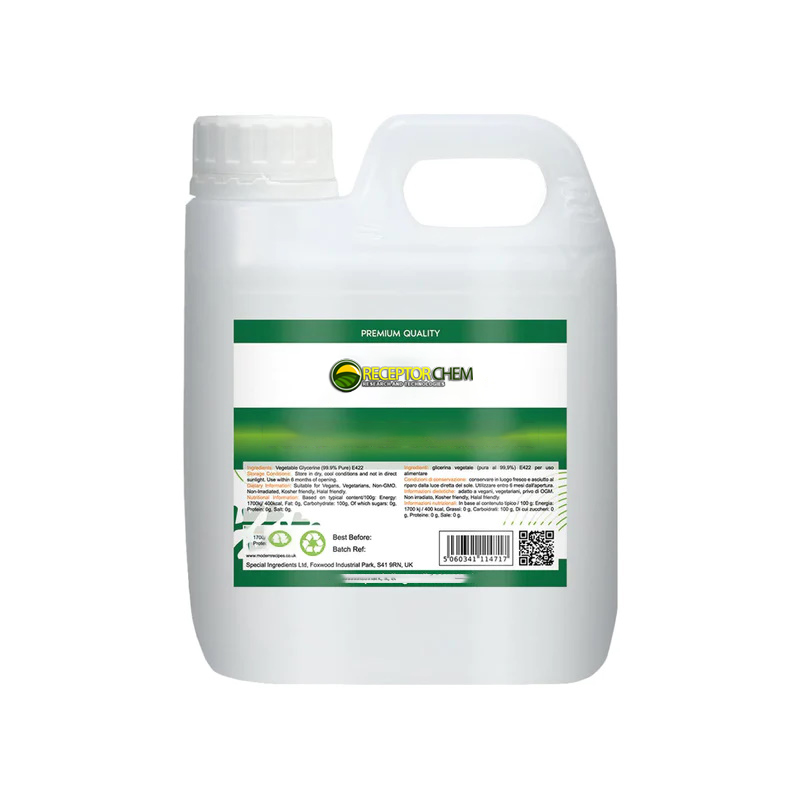
Laboratory solvents and excipients are important components of many analytical procedures. Polyethylene glycol 400, commonly abbreviated PEG 400, is a low-molecular-weight polyethylene glycol used in various technical and pharmaceutical contexts. Its suitability depends on grade, impurities, compatibility and intended application.
Search terms such as peg polyethylene glycol 400, polyethylene glycol UK and peg 400 often relate to sourcing or understanding this material. Researchers should not assume that technical-grade, analytical-grade and pharmaceutical-grade products meet the same specifications.
Other laboratory chemicals, including acetic acid and purified water, require appropriate handling procedures and compatibility assessments. Reviewing safety data sheets and established laboratory protocols is essential before conducting experimental work.
For broader chemical safety guidance, consult the UK Health and Safety Executive’s COSHH resources.
HPLC Tested Research Chemicals: Understanding Analytical Evidence
The phrase HPLC tested refers to testing involving high-performance liquid chromatography, a widely used analytical separation technique. HPLC may help evaluate chemical composition and estimate purity under appropriate validated conditions. However, an HPLC result alone does not necessarily establish a compound’s complete identity, safety, sterility or suitability for a particular application.
Research material assessment may involve chromatographic analysis, mass spectrometry, nuclear magnetic resonance spectroscopy or other methods. The appropriate approach depends on the substance and the analytical objective.
Certificates of Analysis and Batch Documentation
A useful certificate of analysis should identify the tested material and provide relevant information about analytical methods, batch identification, results and specifications. Independent testing claims should be supported by verifiable evidence rather than marketing statements alone.
Visitors can explore the Receptor Chem certificate section for any documentation made available by the business. Before relying on a certificate, confirm that it applies to the exact material and batch under consideration.
Why Scientific Documentation Matters
Accurate documentation improves traceability and supports reproducible scientific work. Researchers should be able to distinguish measured results from estimated specifications, understand the limits of each analytical method and identify any missing information. Transparency is especially important for substances with limited published research or uncertain regulatory status.
Receptorchem Reviews and Evaluating Supplier Transparency
People searching for receptorchem reviews, receptor chem review or receptorchem review often want information about reliability, product descriptions, customer service, fulfilment and scientific documentation. These are reasonable questions when assessing an unfamiliar chemical supplier.
Rather than relying exclusively on promotional ratings, visitors should look for specific, independently verifiable information. Useful indicators include accurate product descriptions, accessible business contact details, clearly stated policies, traceable documentation and genuine feedback from identifiable transactions.
What to Look for in a Receptor Chem Review
A detailed review should explain what the reviewer actually experienced. Reports concerning communication, packaging, order accuracy and support may be useful, but subjective customer satisfaction is not a substitute for independent chemical analysis. Claims about product effectiveness in humans are especially unreliable as evidence of identity, purity or medical safety.
Reviews should also be interpreted in context. The absence of criticism does not prove quality, while a single complaint may not represent a supplier’s overall performance. Repeated patterns supported by verifiable details are generally more informative than anonymous promotional statements.
Comparing Receptor Chems with Other Research Suppliers
Searchers may encounter names such as apex receptor, bachem UK, chemco medical, chemco peptides and other scientific suppliers while comparing research materials. These terms can refer to different businesses or product categories, so it is important to verify the actual organisation behind each listing.
There is no universal best place to buy enclomiphene UK or best place to buy SARMs UK based solely on search rankings or advertised reviews. For regulated or investigational substances, the first questions should concern legal eligibility, intended use, scientific documentation and the limits of available evidence.
Research Purchasing Information and Customer Resources
Visitors using the Receptor Chems website can access several account and shopping resources. These tools support browsing, reviewing product information and understanding available ordering policies. All purchases remain subject to applicable law, product restrictions and the business’s stated terms.
Browse and Manage Your Research Catalogue Selections
Use the customer account area to access available account functions and the wishlist section to keep track of listings for later review. The shopping cart displays selected items, while the checkout page provides the site’s ordering interface.
Product listings, cart functionality and checkout access do not independently establish that a substance can legally be supplied to every customer or destination. Researchers should verify applicable restrictions before placing an order.
Wholesale and Laboratory Procurement
Laboratories and eligible organisations investigating procurement options can consult the wholesale information page. Larger-scale procurement may require additional review of chemical specifications, documentation, storage conditions and applicable supply regulations.
For scientific institutions, procurement decisions should be guided by established purchasing procedures and internal compliance requirements. Particular care is necessary when dealing with controlled, prescription-only, hazardous or otherwise restricted substances.
Frequently Asked Questions About Receptor Chems
What is Receptor Chems?
Receptor Chems is an online chemical research catalogue featuring reference materials, base chemicals, labware and testing-related products. Visitors should review individual listings for detailed information about each substance and its intended application.
Are all research chemicals approved for human use?
No. Research chemicals may be investigational, unlicensed or restricted. A product being offered for laboratory research does not mean it has undergone the clinical evaluation required for medicinal approval. A research-use label also does not override applicable pharmaceutical regulations.
What does HPLC tested mean?
HPLC testing uses liquid chromatography to separate and analyse components of a sample. The usefulness of a result depends on the method, standards, validation and available documentation. HPLC testing should not be mistaken for a comprehensive medical safety assessment.
Is enclomiphene legal in the UK?
The legal position depends on the product’s regulatory classification, intended use and supply circumstances. Enclomiphene should not be assumed to be an ordinary consumer supplement. Refer to current MHRA guidance and seek appropriate professional advice for questions involving medical supply.
Are MK677 and SARMs the same thing?
No. MK677, or ibutamoren, is associated with growth hormone secretagogue receptor activity. SARMs interact with androgen receptors. These represent different pharmacological mechanisms despite being grouped together in some online discussions.
Are MK-777 and MK677 identical?
No equivalence should be assumed. MK-777 is associated with the name acetamoren in some listings, while MK677 refers to ibutamoren. Always confirm the complete chemical identity of the substance being discussed.
Are research peptides safe for injection?
A research-use designation does not establish that a product is sterile, clinically tested or suitable for injection. Injectable products require specialised manufacturing, quality controls and appropriate regulatory oversight. Laboratory research materials should not be used for personal administration.
Can customer reviews verify chemical purity?
No. Customer reviews can describe purchasing experiences, but chemical purity and identity require appropriate analytical testing. Batch-specific results and scientifically meaningful documentation are more relevant than subjective ratings.
Explore Receptor Chems with an Informed Research Approach
Scientific progress depends on accurate information, responsible experimentation and transparent evaluation of evidence. Receptor Chems provides a catalogue through which visitors can explore research materials, compare listed categories and review available supporting information.
Before selecting a chemical substance, consider its precise identity, intended research application, available analytical documentation, safety requirements and legal status. Where evidence is incomplete, uncertainty should be acknowledged rather than replaced with unsupported claims.
For questions about available listings, product documentation or general website information, visit the contact page. You can also review the privacy policy and refund and returns information for details about applicable website policies.
Explore Receptor Chems for research-focused product information, laboratory supplies and scientific resources, with accurate documentation and responsible chemical handling at the centre of every informed decision.